Key Curriculum Components and Elements
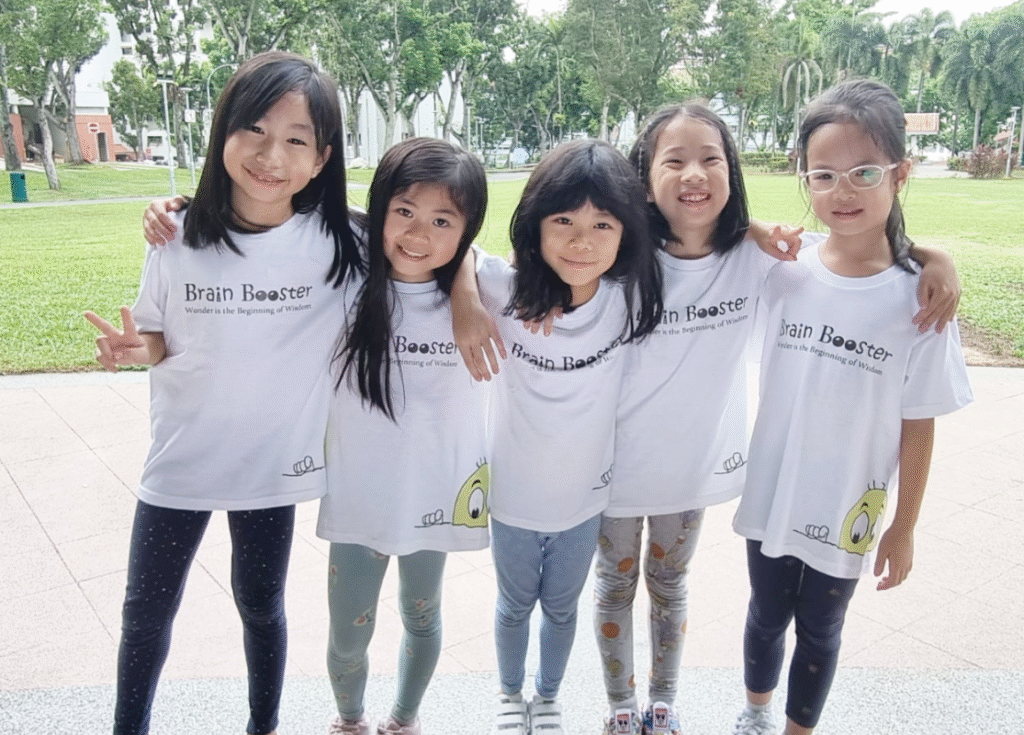
At Brain Booster Student Care, we are dedicated to nurturing the individual potential of every child. Our Primary 3 programme is thoughtfully designed to support children as they enter a new stage of growth, with higher expectations, additional subjects, and increased responsibility. As they mature, we encourage them to develop an awareness of managing their own tasks independently, understanding what needs to be done and when. Aligned with the school curriculum but without the pressure to pursue academic excellence, our programme focuses on fostering a love for learning, encouraging personal growth, and building essential life skills, ensuring a balanced approach to both academics and well-being.
Why Choose Us?
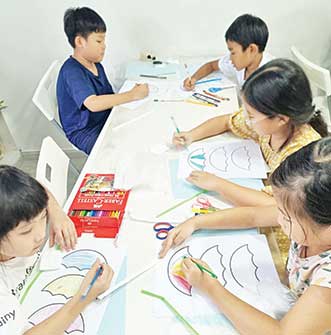
At Brain Booster Student Care, we focus on creating a supportive and nurturing environment where every child can thrive at their own pace. Our Primary 1 programme aligns with the school syllabus, but we believe in giving learners the time and space they need to enjoy learning, without the pressure of academic performance. By balancing academics with emotional well-being and values-based learning, we aim to develop confident, happy, and curious learners.
English Programme
Our English curriculum is designed to build a strong foundation in the language while encouraging learners to progress at their own speed. We provide a supportive environment where they can develop confidence and fluency in English.
- English Practice:
Young learners participate in a variety of activities, including Editing, Word Order, Graphic Stimulus, and Comprehension passages. These exercises are designed to enhance language skills in line with the school syllabus, helping students progress at a comfortable pace. The Comprehension tasks become more advanced, requiring a deeper understanding of context and the ability to identify key objectives. - English Literacy:
Through read-aloud activities, learners practise reading fluently and expressively, enhancing both comprehension and confidence in public speaking. They will also be exposed to more challenging and longer words, which will be broken down into manageable parts to guide them in reading and pronunciation. - English Thesaurus & Synthesis:
This segment introduces learners to sentence-building and vocabulary enrichment. We guide them in constructing sentences and using strong vocabulary, providing exposure to phrases that help them express themselves more effectively.
Mathematics Programme
In our Mathematics programme, individuals have the opportunity to explore numerical concepts at their own pace, emphasising understanding over performance. We ensure a solid grasp of key concepts that align with the school syllabus.
- Math Practice:
Learners engage in simple math exercises, including problem sums, which help them gradually develop their problem-solving skills at a comfortable pace. At this level, children will be introduced to more problem-solving techniques, including model drawing. Guidance is provided to help them identify key values and effectively solve the sums. - Alphabetical Forms of Numbers:
In this section, learners will have the chance to practice multiplication through repetitive exercises, reinforcing their understanding of basic multiplication facts. By repeatedly working through a range of multiplication problems, students will build fluency and confidence in their skills. This approach helps improve speed and accuracy, ensuring a strong foundation for more advanced math concepts.


Science Programme
Our Science programme is designed to provide students with a comprehensive understanding of key scientific concepts, fostering curiosity and critical thinking. Through a structured approach that includes engaging notes, hands-on practice, and targeted revision, learners develop a solid foundation in Science, preparing them for both academic success and real-world application.
- Science Notes:
The Science Notes offer a clear and concise introduction to each topic, helping students grasp essential concepts and key ideas. These notes act as a valuable reference guide, providing learners with the foundational knowledge needed to build a deeper understanding and engage confidently with more complex material. - Science Practice:
The Science Practice section focuses on applying theoretical knowledge through a range of interactive exercises. This hands-on approach allows students to reinforce their understanding of scientific principles, develop problem-solving skills, and gain confidence in tackling real-world science challenges
Chinese Programme
Our Chinese programme fosters language development in a supportive and encouraging environment, with a focus on individual progress. As students advance, the emphasis shifts towards mastering Chinese characters and enhancing their ability to recognize and understand these characters in context. This phase ensures that learners build a strong foundation for reading, writing, and comprehension.
- Chinese Practice:
Participants engage in a variety of activities designed to deepen their recognition of Chinese characters and improve their understanding. Through exercises such as working with cloze passages and constructing sentences based on picture prompts, learners strengthen their ability to read, comprehend, and use Chinese effectively. This section focuses on practical skills, helping students read and understand with confidence. - Chinese Literacy:
Learners are encouraged to read aloud, helping to improve pronunciation, fluency, and confidence in speaking Chinese. As the complexity of words increases, Hanyu Pinyin is introduced as a guide to support reading. This ensures that students can navigate tougher words while boosting their confidence in both reading and identifying characters. Over time, this activity also enhances their comprehension skills. - Handbook of Vocabulary:
In the Handbook of Vocabulary, learners engage in exercises that reinforce Chinese words and sentences to solidify their understanding. This practice helps students internalize vocabulary and sentence structures, improving their ability to recognize and use words effectively. Aligned with the latest syllabus, this approach enhances vocabulary retention and sentence-building skills, boosting learners’ confidence in expressing themselves in Chinese.


My Little Journal
We prioritise emotional well-being and personal reflection. Our journaling activities provide individuals with the opportunity to express their feelings, goals, and daily experiences in an enjoyable and relaxed manner.
- Journal:
Each learner maintains a personal journal to reflect on their experiences, set individual goals, and document what they enjoy. This practice promotes self-awareness, mindfulness, and encourages individuals to take responsibility for their own personal development and well-being.
Sharing is Caring
At Brain Booster, we are dedicated to nurturing empathy and kindness. The programme focuses on social and emotional development, emphasising the importance of core values and promoting mental well-being.
- Emotional Wellbeing:
Through interactive discussions and activities, we guide individuals to explore themes like kindness, respect, and caring for others. This helps them develop positive social values and understand the importance of mental well-being.


Book Review
Reading is a key part of learning, and we encourage individuals to discover the joy of books in a relaxed and pressure-free environment. Our book review activity allows them to reflect on their reading experiences and share their thoughts.
- Book Appraisal:
Learners are invited to select their favourite books, record details such as the title and author, and write a short summary. This activity helps improve comprehension and critical thinking while also fostering a lifelong love for reading.
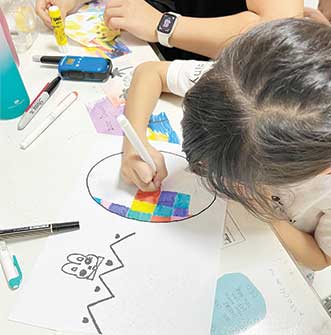
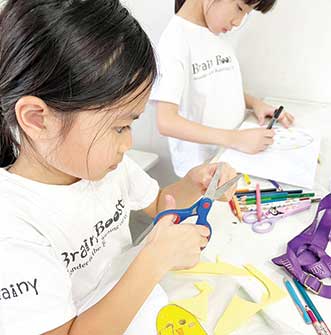
Sensory Art
Art and craft activities, enhance creativity, exploration, and cognitive development,
fostering self-expression and sensory awareness.